Reflected Light
On snow and water the burn comes from below. A field report on the UV you never see coming.
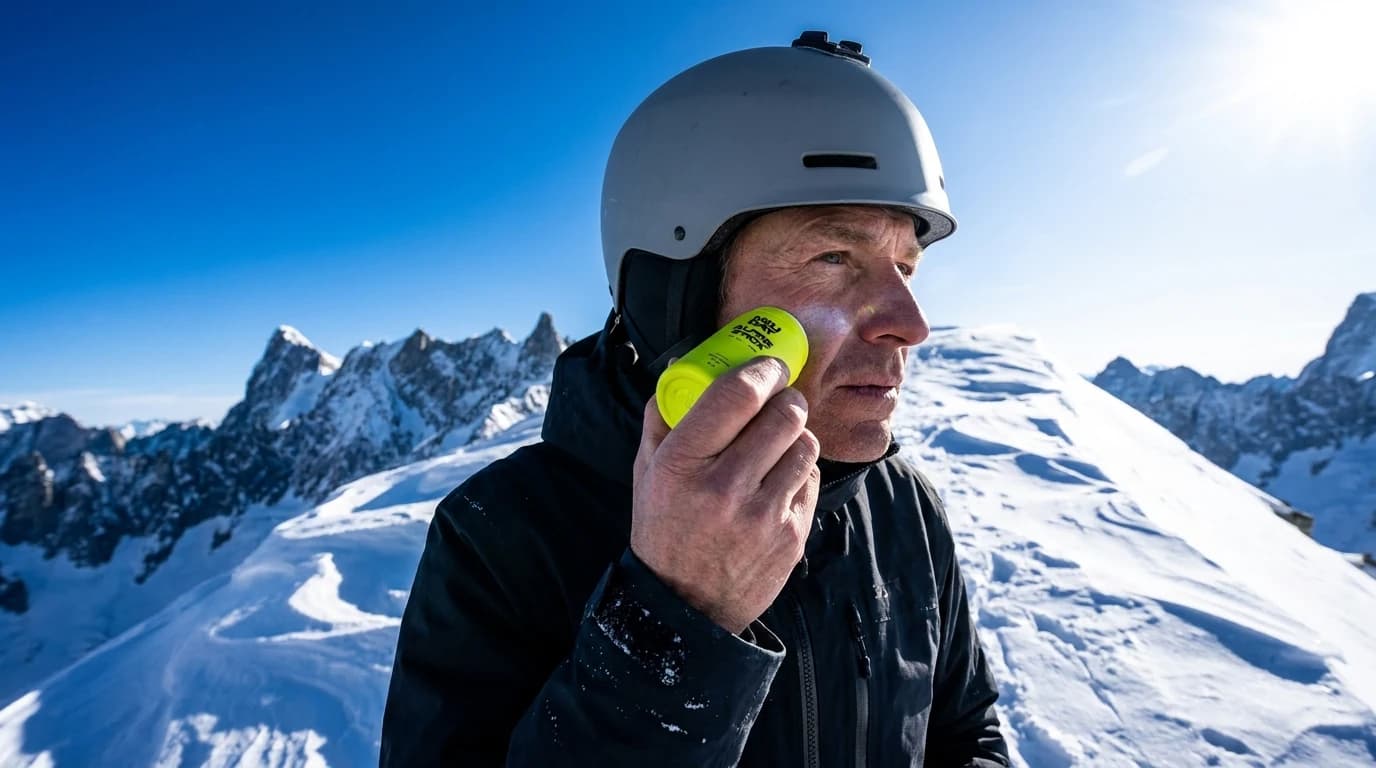
Stand on a glacier at noon and you are being lit twice: once by the sun, and once by the snow throwing most of that light straight back up at the underside of your jaw, your nose, your lips. Fresh snow reflects up to 80% of incoming UV. Open water and pale sand do it too, more gently. The places that burn worst are the places you'd never think to cover.
Altitude stacks the deck
UV climbs roughly 10–12% for every thousand metres you gain. At 2,800 metres on a clear day the index can read past 11 — the same scale we call extreme at sea level — and the cold hides it completely. There is no heat to warn you. People come off a spring tour with a sunburn under their chin and no idea where it came from.
Reflected burn off the glacier is the real enemy. Thick pass on the nose, the lips, the underside of the jaw.
— Ingrid K. — ski mountaineer
What we carry
Alpine Stick exists for exactly this: a solid SPF 50+ that lays down thick, won't crack in the cold, and stays put through wind and goggle sweat. It goes on the high, exposed edges and the spots that catch reflected light. No mirror, no mess — you can do it with gloves half-on.
- Cover the underside of the nose, jaw and lips, not just the tops of the cheeks.
- Re-apply at the top of every climb, before the descent.
- Cold makes you forget. Set a reminder for the summit.
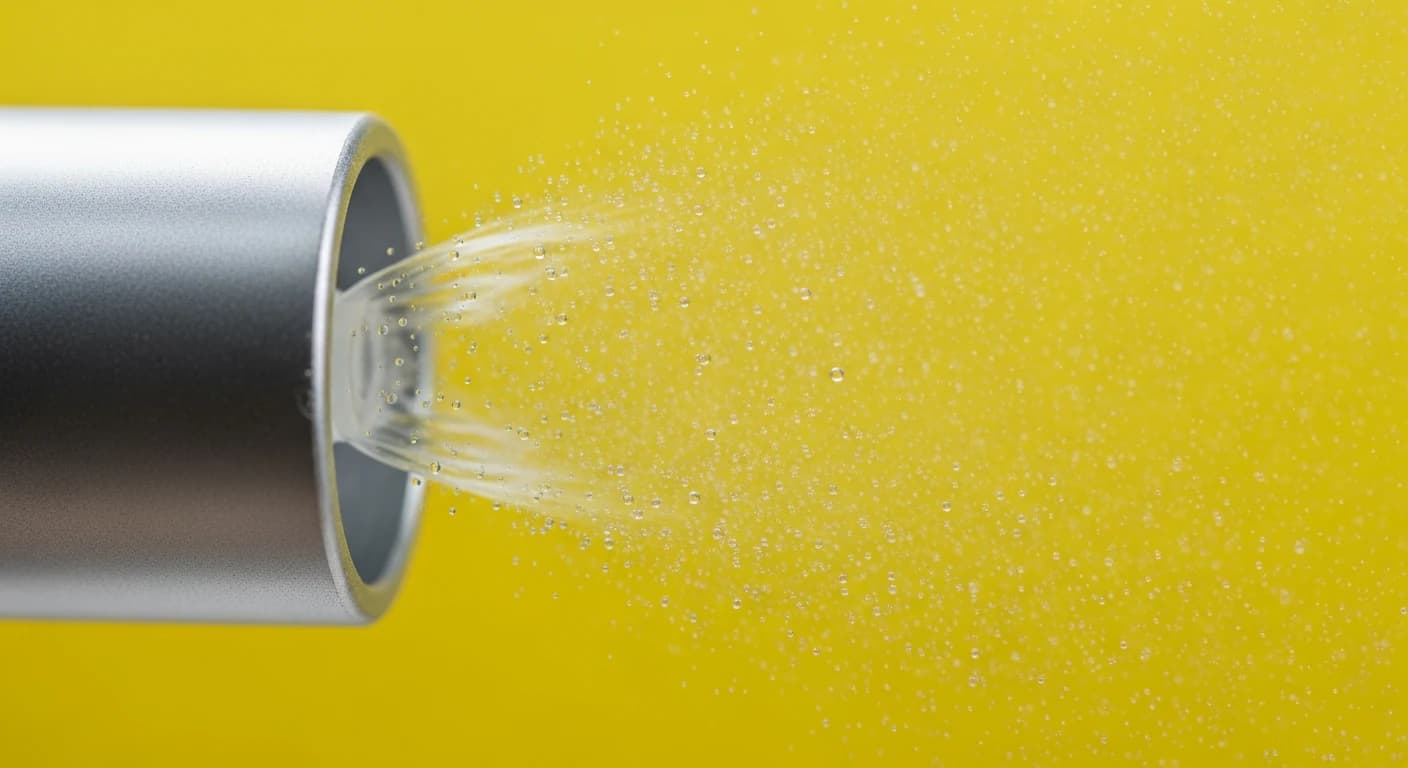
The 80-Minute Problem
Most sunscreen quits before you do. Here's the test that decides whether protection survives an hour of real effort.
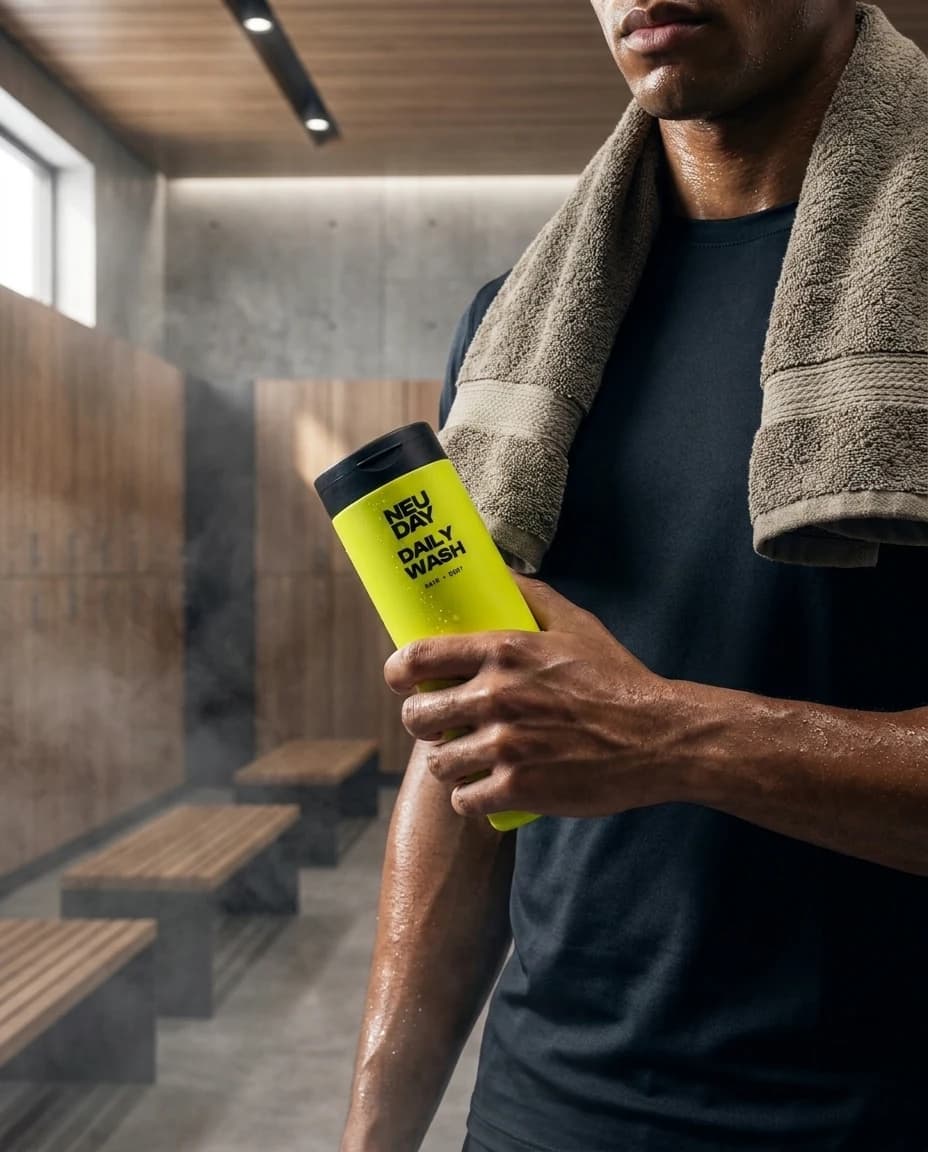
What Salt Leaves Behind
Sweat dries. The salt stays — and it keeps pulling moisture out of skin and scalp long after the session ends.